




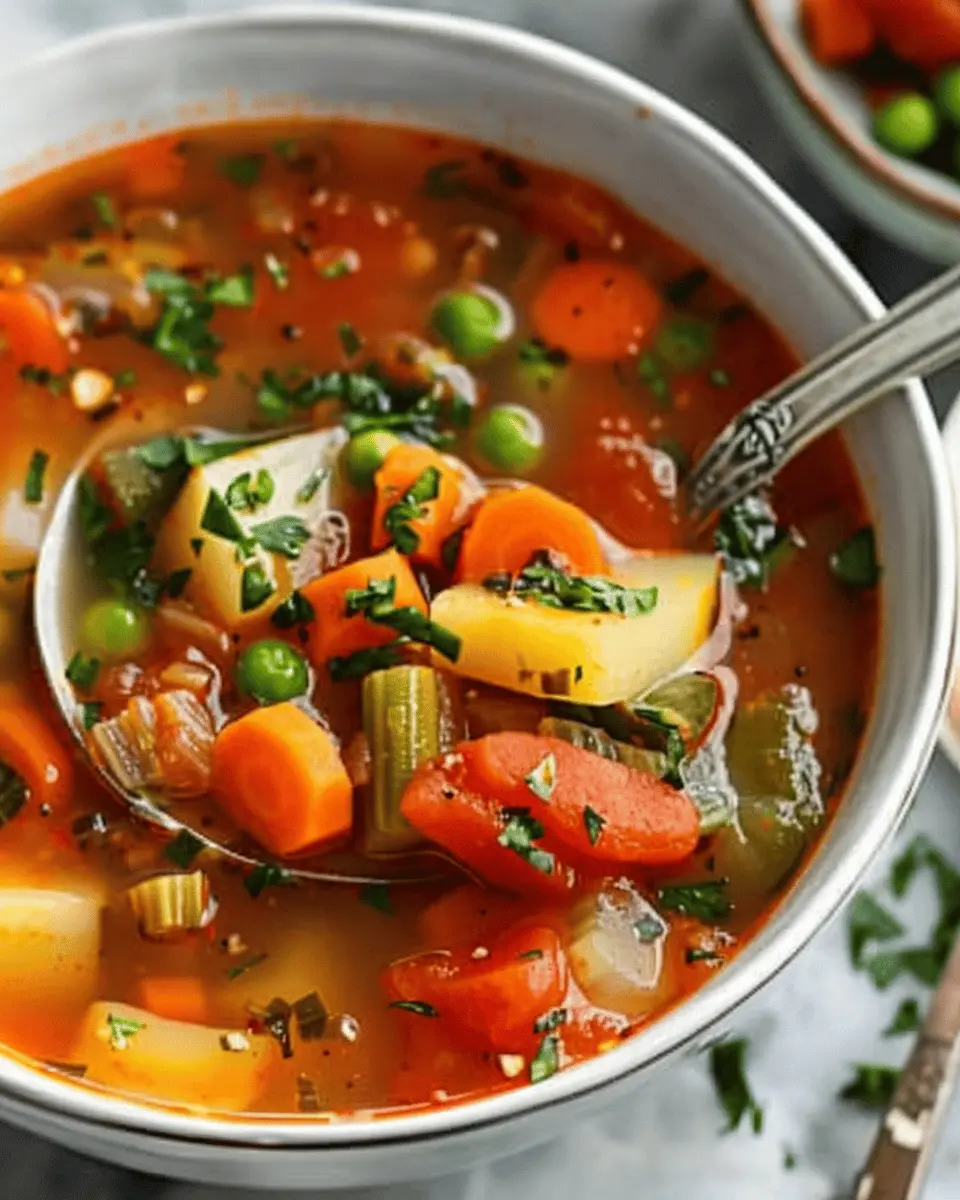
Introduction to Vegetable Soup
Vegetable soup is more than just a comforting bowl of warmth; it’s a culinary lifesaver for young professionals navigating their bustling lives. With the demands of work, social commitments, and personal aspirations, finding a quick and wholesome meal can often feel like a chore. That’s where vegetable soup comes in as a game changer.
Imagine this: you come home after a busy day, exhausted and hungry. The last thing you want to do is spend hours in the kitchen. With a pot of vegetable soup, you can have a nutritious meal ready in 30 minutes or less. Studies have shown that meals rich in vegetables are linked to better health outcomes, including improved mood and energy levels (source: Harvard Health).
Why Vegetable Soup is a Game Changer for Young Professionals
-
Nutrient-Packed: Filled with a variety of fresh vegetables, vegetable soup is a great way to get your daily intake of vitamins and minerals. Think carrots, spinach, and tomatoes—all of which boost your immune system and keep you energized.
-
Cost-Effective: For those on a budget, making vegetable soup is a wallet-friendly option. You can use seasonal vegetables, which are often cheaper and taste better. Plus, it’s a fantastic way to use up leftover veggies before they go bad!
-
Meal Prep Friendly: One of the beauties of vegetable soup is its versatility. Prepare a big batch on a Sunday night and portion it out for the week. A microwave or stovetop can warm it up in no time, making it ideal for lunch at work or a quick dinner.
-
Weight Management: If you’re looking to maintain or lose weight, a hearty bowl of vegetable soup can fill you up without loading you down with extra calories. The fiber from the vegetables helps keep you satisfied longer.
As you can see, vegetable soup checks all the boxes for busy young professionals. So why not roll up your sleeves and start experimenting in the kitchen? You just might discover your new favorite go-to meal! For inspiration, check out this resource on the benefits of incorporating vegetables into your diet.
In the following sections, we’ll dive into a delicious recipe that caters to your busy lifestyle—stay tuned!

Ingredients for Vegetable Soup
Essential ingredients you’ll love
When it comes to a comforting bowl of vegetable soup, the foundation is key. Here are some essential ingredients you’ll want to gather:
- Fresh vegetables: Think carrots, celery, and bell peppers for that hearty crunch.
- Onion and garlic: These two will create a fragrant base that elevates your soup’s flavor.
- Broth or stock: Chicken or vegetable broth adds depth. For a lighter twist, homemade vegetable stock is a fantastic option.
- Canned tomatoes: Diced tomatoes introduce a lovely acidity and texture.
- Herbs and spices: Fresh thyme, bay leaves, or a sprinkle of Italian seasoning make your soup sing.
Optional add-ins to elevate your soup
Once you’ve set the stage, consider adding these optional ingredients to make your vegetable soup truly your own:
- Turkey bacon or chicken ham: These will add a savory element without overwhelming the veggies!
- Grains: Quinoa or brown rice can turn your soup into a hearty meal.
- Leafy greens: Spinach or kale can boost nutrition and add vibrancy.
- Beans: Kidney or chickpeas introduce protein, making your soup filling.
With these ingredients, your vegetable soup will be both delicious and satisfying. For more ideas, check out this guide on building flavorful soups.
Step-by-step preparation of Vegetable Soup
Making a delicious and hearty vegetable soup can be a delightful experience, especially when you realize how simple it is to prepare. Follow this step-by-step guide to create a warming bowl of goodness that will not only nourish your body but also satisfy your taste buds.
Gather and chop your vegetables
The first step to crafting a flavorful vegetable soup is selecting a variety of fresh vegetables. Head to your local grocery store or farmer’s market to pick out the freshest options. You might include:
- Carrots
- Celery
- Bell peppers
- Zucchini
- Onions
- Garlic
- Tomatoes
Once you’ve gathered your vegetables, it’s time to chop them! Aim for uniform pieces so they cook evenly. You don’t need to be a professional chef here; focus on getting those veggies into bite-sized chunks. In fact, chopping them can be a great way to unwind after a long day. As you chop, think about the flavors you’re building and the delicious aroma that will soon fill your kitchen.
Sauté the base for rich flavor
Next up, it’s time to create the flavor base for your soup. Heat some olive oil in a large pot over medium heat. If you want to introduce a bit of complexity, consider adding a few slices of Turkey Bacon or Chicken Ham for that umami kick. As the oil heats, toss in the chopped onions and garlic first, and sauté until they turn fragrant and slightly translucent—about 3-5 minutes.
Don’t rush this step! Sautéing at the right temperature releases the natural sugars from the onions, creating a sweet and savory depth that perfectly complements the dish. If you’re looking for inspiration on how sautéing affects flavor development, check out The Science of Good Cooking for more insights.
Add the heartier veggies and broth
Now that you have a wonderful base going, it’s time to add the heartier vegetables. Toss in the chopped carrots and celery first, allowing them to soften for about 5 minutes. Then, the rest can join the party—the bell peppers and zucchini add a splash of color and nutrients.
Next, pour in your choice of broth—I recommend vegetable broth for a vegan option or chicken broth for added depth. The broth should be the star here, elevating the soup’s flavor profile. Stir in some salt and pepper to taste, and bring the mixture to a gentle simmer. Let it bubble away for roughly 15-20 minutes until those veggies are tender.
Incorporate frozen vegetables for convenience
One of the great things about making vegetable soup is the option to use frozen vegetables, which can cut down on prep time significantly. Simply add a handful of frozen peas, corn, or green beans about five minutes before the soup is finished cooking. Not only do they add texture but they also give your soup that fresh, vibrant touch without the fuss of chopping more veggies.
Did you know that frozen veggies can be just as nutritious as fresh ones? In many cases, they are frozen at peak ripeness, preserving their vitamins—definitely a win for busy young professionals!
Finish with fresh herbs and acidity
As the soup approaches completion, this is your chance to elevate the flavors even more. Stir in some chopped fresh herbs like basil, parsley, or thyme for a burst of freshness. Herbs are often underutilized, yet they can transform the taste of your dish and bring it to life.
Additionally, consider adding a splash of acidity at the end—a squeeze of lemon juice or a dash of vinegar—this helps brighten the flavors and adds balance to the comforting richness of the vegetable soup.
Serve your beautifully crafted soup hot, perhaps with a slice of crusty bread, and enjoy the fruits of your labor! Not only is this dish wholesome and flavorful, but it’s perfect for meal prepping or family gatherings, making it an ideal choice for any night of the week.
For more tips on how to master the art of soup-making, you can check out Serious Eats’ soup guide where you’ll find ample inspiration. Happy cooking!

Variations on Vegetable Soup
Vegetable soup is not just a one-size-fits-all dish; it’s a canvas for endless creativity! Whether you’re feeling adventurous or craving comfort, there’s a variation to suit your taste buds.
Spicy Vegetable Soup for the Adventurous
If you’re a fan of bold flavors, try adding a kick to your vegetable soup. Start by sautéing garlic and onion, then incorporate some heat with sliced jalapeños or a sprinkle of red pepper flakes. A dash of cumin or smoked paprika can bring warmth and depth. For those who enjoy experimenting, consider adding a splash of coconut milk and lime juice for a Thai-inspired twist. This version is sure to awaken your senses and keep you warm!
Creamy Vegetable Soup Using Plant-Based Alternatives
For a decadent take on vegetable soup, blend in some plant-based alternatives. Start with your base soup; once cooked, blend until smooth. Incorporate cashew cream or coconut milk to create a luscious texture that mimics traditional cream soups. You can even add nutritional yeast for a cheesy flavor, perfect for plant-based diets. This creamy variation is both satisfying and surprisingly easy to make!
Hearty Addition of Grains or Proteins
Looking to amp up your vegetable soup’s substance? Add hearty grains like quinoa or brown rice. These not only enhance the texture but also make the dish more filling. For additional protein, consider incorporating lentils, chickpeas, or even turkey bacon for a smoky essence, without an overpowering meat flavor. This version turns your soup into a complete meal, making it perfect for a busy weeknight dinner!
No matter which variation you choose, remember that the key to a delightful vegetable soup lies in the freshest ingredients. Happy cooking! For more tips on making delicious soups, check out this article on seasonal veggies.
Cooking Tips and Notes for Vegetable Soup
Tips for Maximizing Flavor
To elevate your vegetable soup, consider sautéing your vegetables first. This creates a deep flavor base. Using a mix of fresh herbs like thyme and basil can also enhance the dish—each brings its own unique pop! Try adding a splash of lemon juice or a dash of vinegar right before serving to brighten the flavors.
Common Mistakes to Avoid
One common pitfall is overcooking your veggies. Keep them crisp for maximum texture and nutrition. Also, avoid using too much salt at the beginning; instead, season in layers as your soup cooks. Lastly, be wary of using pre-packaged broth that can contain nuts and gluten. Homemade or low-sodium options are often more nourishing.
How to Store Leftovers Properly
When it comes to storing your leftover vegetable soup, wait until it cools completely. Transfer it into airtight containers and refrigerate for up to three days. For longer storage, consider freezing portions—just make sure to leave some room for expansion in the freezer-safe containers! For detailed storage tips, check out Food Safety.
Enjoy your next bowl of vibrant and nourishing vegetable soup!
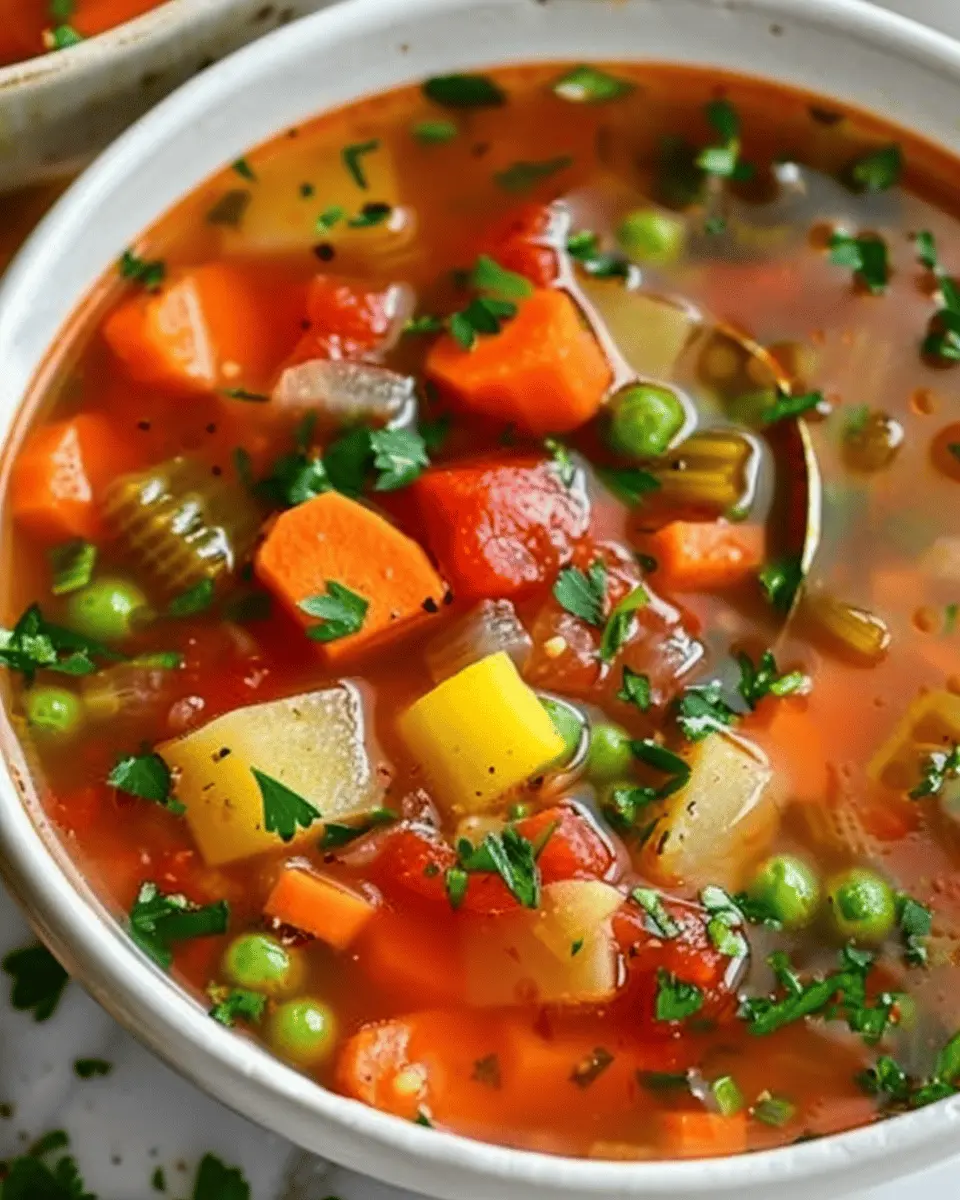
Serving suggestions for Vegetable Soup
Perfect pairings with bread or salad
When it comes to enjoying a hearty bowl of vegetable soup, bread or a fresh salad can elevate your meal effortlessly. Consider serving your soup with crusty whole-grain bread or a warm, buttery roll for a satisfying crunch. Dip your bread right into the vibrant broth, soaking up every flavorful drop! For a lighter option, a simple side salad with mixed greens, cherry tomatoes, and a light vinaigrette complements the warmth of the soup beautifully.
If you’d like some inspiration for salads, check out resources like EatingWell for fresh ideas!
Ideas for garnishing your soup
To add an extra dimension to your vegetable soup, think about garnishing! A sprinkle of freshly chopped herbs, like parsley or cilantro, can brighten up the dish and enhance its flavor profile. A dollop of Greek yogurt or a drizzle of olive oil can introduce a luxurious creaminess, while toasted seeds or nuts add a welcome crunch. Have fun with toppings—grated cheese or crunchy croutons not only look beautiful but also bring a satisfying texture to each spoonful.
Time breakdown for making Vegetable Soup
Preparation time
Creating a delicious vegetable soup starts with a bit of prep. Set aside around 15-20 minutes to chop your favorite veggies, like carrots, celery, and onions. Gathering all your ingredients is essential, and having everything organized will make cooking smoother. You could even prep ingredients a day ahead if your schedule is tight.
Cooking time
Once you have everything prepped, the actual cooking time for your vegetable soup is about 30-40 minutes. This allows the flavors to meld beautifully while ensuring your veggies are tender but not mushy.
Total time
In total, you’re looking at around 50 to 60 minutes from start to finish—definitely manageable for a weeknight dinner! If you’re curious about cooking techniques, consider checking out this cooking guide for extra tips and tricks. Enjoy your healthy vegetable soup tonight!
Nutritional Facts for Vegetable Soup
When it comes to nutrition, vegetable soup is a powerhouse option! Let’s break down some key facts that make it a great addition to your meals.
Calories
A typical serving of homemade vegetable soup contains around 100 calories, making it a guilt-free choice for anyone looking to manage their weight while enjoying a hearty bowl.
Fiber Content
This comforting soup is also rich in fiber, with about 4 grams per serving. Fiber is essential for digestive health and can help you feel fuller for longer, keeping those mid-afternoon snack cravings at bay.
Essential Vitamins
Packed with vitamins A, C, and K, vegetable soup is an easy way to boost your immune system and promote overall health. The diverse range of vegetables means you’ll be consuming plenty of antioxidants, which are crucial for fighting inflammation.
For a deeper dive into the nutritional benefits of specific ingredients, check out this resource from Healthline. If you’re curious about how to enhance your soup even further, consider adding more greens or legumes for an extra nutrient boost!
FAQs about Vegetable Soup
Can I freeze vegetable soup?
Absolutely, you can freeze vegetable soup! Freezing is a fantastic way to preserve your soup for future meals. Just let it cool down before transferring it to airtight containers or freezer bags, ensuring you leave some space for expansion. When you’re ready to enjoy it, simply thaw it in the refrigerator overnight and reheat it on the stove or in the microwave. Many people find that freezing helps enhance the flavors, making it even tastier when you finally dig in.
How can I make vegetable soup thicker?
If you’re looking to add some heartiness to your vegetable soup, there are several simple methods you can try:
- Add Pureed Vegetables: Blend a portion of the soup and mix it back in for a creamy texture without cream.
- Stir in some grains: Quinoa, rice, or barley can naturally thicken the broth while also boosting nutrition.
- Use a Thickener: Consider using corn starch or arrowroot mixed with water. Add it slowly, stirring until you achieve the desired consistency.
These tricks not only help add body but can also enhance the flavor profile of your soup.
What vegetables work best in soup?
When it comes to crafting the perfect vegetable soup, the possibilities are endless. However, some classics that work particularly well include:
- Carrots: Sweet and vibrant, they add depth and color.
- Celery: For a fresh, aromatic base.
- Potatoes: They’re filling and provide great texture.
- Spinach or Kale: These greens boost nutrition and add a pop of color.
Feel free to experiment with your favorites or what’s in season! For tips on selecting in-season vegetables, you can check out seasonal produce guides.
By answering your FAQ, I hope you feel more confident in whipping up a delicious, comforting bowl of vegetable soup. Happy cooking!
Conclusion on Vegetable Soup
Recap of the Joys of Homemade Vegetable Soup
Homemade vegetable soup is more than just a meal; it’s a comforting embrace in a bowl. Creating your own version allows you to explore a world of vibrant flavors and wholesome ingredients that store-bought options simply can’t match. From the aroma of simmering vegetables to the satisfying warmth with each spoonful, making this dish can transform an ordinary day into something special.
Plus, it’s a wonderful way to incorporate seasonal produce into your meals, not to mention a healthier choice! So, gather your favorite veggies and let the creativity flow—your vegetable soup adventure awaits! For more inspiration, check out resources like EatingWell for nutritious recipes and tips.
PrintVegetable Soup Delight: Easy Comfort in Every Bowl

A comforting bowl of vegetable soup that is both easy to make and delicious.
- Prep Time: 15 minutes
- Cook Time: 30 minutes
- Total Time: 45 minutes
- Yield: 4 servings 1x
- Category: Soup
- Method: Stovetop
- Cuisine: American
- Diet: Vegetarian
Ingredients
- 2 cups chopped carrots
- 1 cup chopped celery
- 1 onion, diced
- 3 cloves garlic, minced
- 4 cups vegetable broth
- 2 cups diced tomatoes
- 1 cup green beans, chopped
- 2 cups spinach
- 1 teaspoon dried basil
- 1 teaspoon salt
- 1/2 teaspoon pepper
Instructions
- In a large pot, sauté the carrots, celery, and onion over medium heat until softened.
- Add the garlic and cook for another minute.
- Pour in the vegetable broth and diced tomatoes, then bring to a boil.
- Add the green beans, spinach, basil, salt, and pepper. Simmer for 20 minutes.
- Serve hot and enjoy!
Notes
- This soup can be customized with your favorite vegetables.
- For added flavor, consider adding a splash of lemon juice before serving.
Nutrition
- Serving Size: 1 bowl
- Calories: 180
- Sugar: 6 grams
- Sodium: 800 mg
- Fat: 3 grams
- Saturated Fat: 0.5 grams
- Unsaturated Fat: 2.5 grams
- Trans Fat: 0 grams
- Carbohydrates: 35 grams
- Fiber: 10 grams
- Protein: 5 grams
- Cholesterol: 0 mg
Keywords: Vegetable Soup